
What Affects Rates in New Orleans
- New Orleans sits an average of six feet below sea level, making comprehensive coverage (which pays for flood and storm damage to your car) essential rather than optional. Even if you don't live in a FEMA flood zone, summer thunderstorms frequently overwhelm the pump system, causing street flooding in Mid-City, Gentilly, and Lakeview. Insurers price this water damage risk into every policy.
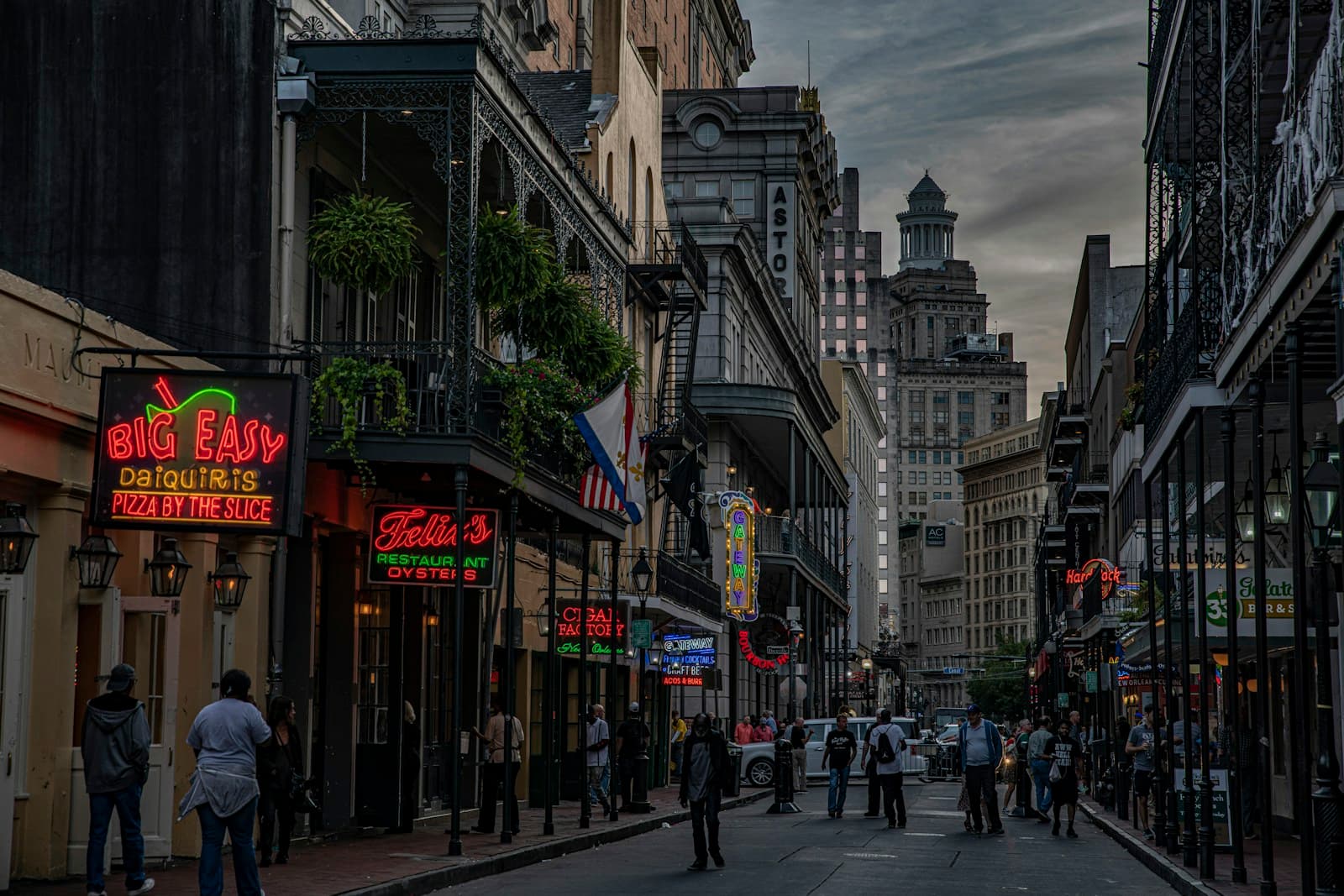
- The French Quarter, CBD, and Warehouse District report some of Louisiana's highest vehicle theft rates, driven by tourist traffic and limited secure parking. Comprehensive coverage protects against theft, but expect higher premiums if you park overnight in the 70112, 70113, or 70130 zip codes. Cars parked in Uptown, Audubon, and Lakeview neighborhoods typically see lower theft-related premiums.
- I-10 through downtown and the Pontchartrain Expressway (US-90) create daily collision hotspots during morning and evening commutes. Claiborne Avenue, Carrollton Avenue, and Veterans Boulevard in Metairie see frequent fender-benders. Collision coverage (which pays to repair your car after an accident, minus your deductible) costs more here than in smaller Louisiana cities because accident frequency drives up insurer payouts.
- Louisiana has one of the nation's highest uninsured driver rates, and New Orleans leads the state. Uninsured motorist coverage (which pays your costs if you're hit by someone without insurance) is mandatory in Louisiana, but young drivers should understand it protects you when others break the law. This coverage adds to your premium but becomes critical on congested corridors like Tulane Avenue and Earhart Boulevard.
- Potholes, subsidence, and deteriorating streets in older neighborhoods like Treme, Bywater, and the Lower Ninth Ward increase suspension and tire damage claims. While liability insurance (which pays for damage you cause to others) is required, collision coverage protects your own vehicle from road hazard damage. New drivers should budget for higher deductibles (the amount you pay before insurance kicks in) if choosing older vehicles.
Compare car insurance for first-time drivers
Rates are high for new drivers — but the right carrier and discounts can make a real difference.
Get Your Free QuoteCoverage Recommendations
Cost estimates are based on available industry data and vary by driver profile. These are not insurance quotes.
Liability Insurance
Congestion on I-10, Claiborne, and the Pontchartrain Expressway increases accident likelihood, making higher liability limits (like 50/100/50) worth considering even as a new driver.
$$Estimated range only. Not a quote.
Comprehensive Coverage
Below-sea-level geography and frequent street flooding make this essential; expect higher premiums in the French Quarter, CBD, and lower-lying neighborhoods like Gentilly and Lakeview.
$$$Estimated range only. Not a quote.
Collision Coverage
High accident rates on I-10, Carrollton Avenue, and Veterans Boulevard make collision coverage valuable, especially if you're financing a vehicle or can't afford out-of-pocket repairs.
$$$Estimated range only. Not a quote.
Uninsured Motorist Coverage
New Orleans has Louisiana's highest uninsured driver concentration, particularly on Tulane Avenue and Earhart Boulevard corridors, making this legally required coverage especially important.
$$Estimated range only. Not a quote.
Full Coverage
New drivers financing cars in New Orleans should expect $250-$350 monthly for full coverage due to flood, theft, and accident risk across the city.
$$$$Estimated range only. Not a quote.