What Affects Rates in Middletown
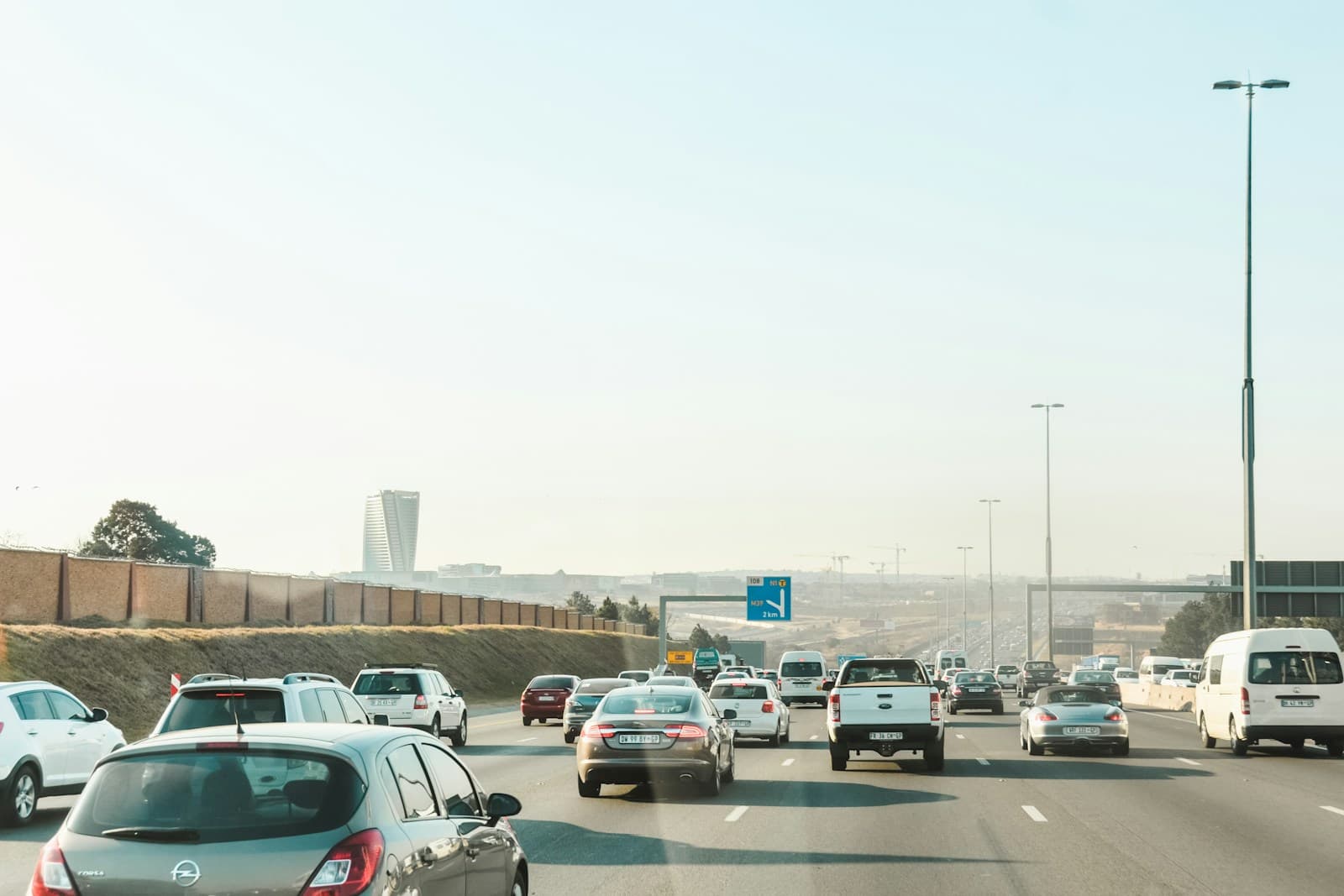
- Most Middletown drivers use Route 301 or Route 1 daily, with heavy morning and evening traffic toward I-95 and Route 13. Longer commutes—especially those exceeding 20 miles each way—increase your annual mileage, which insurers track closely when setting rates for new drivers. If you're commuting to Wilmington or Newark for work or school, expect quotes at the higher end of the range.
- Middletown's rapid residential growth brings many first-time buyers—young families and newly licensed drivers in subdivisions like Whitehall and Silver Lake. Insurers view newer drivers in growing suburban areas as moderate risk: fewer theft claims than urban zones, but higher accident rates among drivers under 25 who lack experience navigating highway merges and rush-hour congestion.
- If you're financing or leasing your car—common for first-time buyers—your lender requires full coverage, meaning liability plus comprehensive (covers theft, weather, vandalism) and collision (covers crashes). This typically doubles your premium compared to state-minimum liability. In Middletown, comprehensive claims often involve deer strikes on rural stretches of Route 301 and hail damage from spring storms.
- Middletown lacks public transit, so most residents depend entirely on personal vehicles for work, errands, and school. Insurers know this means higher annual mileage—often 12,000–15,000 miles per year—which increases accident exposure. If you can reduce mileage by carpooling or working from home part-time, mention it when getting quotes.
Compare car insurance for first-time drivers
Rates are high for new drivers — but the right carrier and discounts can make a real difference.
Get Your Free QuoteCoverage Recommendations
Cost estimates are based on available industry data and vary by driver profile. These are not insurance quotes.
Liability Insurance
Essential for Route 301 and Route 1 commutes where multi-car accidents are common during peak hours.
$90–160/mo for first-time buyersEstimated range only. Not a quote.
Full Coverage
Most first-time buyers in Middletown finance their cars, making full coverage mandatory until the loan is paid off.
$145–280/mo for first-time buyersEstimated range only. Not a quote.
Comprehensive Coverage
Covers deer strikes on rural sections of Route 301 and hail damage from spring thunderstorms common in New Castle County.
$30–65/mo depending on deductibleEstimated range only. Not a quote.
Collision Coverage
Protects you in Route 1 merge-lane accidents and rear-end collisions during stop-and-go commutes.
$55–120/mo depending on deductibleEstimated range only. Not a quote.
Uninsured Motorist Coverage
Delaware sees uninsured rates around 11%, making this coverage important on busy corridors where out-of-state commuters pass through.
$15–35/moEstimated range only. Not a quote.