Wisconsin requires minimum liability coverage before you can legally drive, but those state minimums won't protect you in most real accidents. Here's what you actually need to carry — and why the cheapest legal option usually costs more in the long run.
Wisconsin's minimum liability requirements: what's legally required vs what actually protects you
Wisconsin law requires 25/50/10 liability coverage before you can legally register and drive a vehicle. That breaks down to $25,000 per person for bodily injury, $50,000 per accident for bodily injury, and $10,000 for property damage. These are the amounts your insurance will pay if you cause an accident that injures someone or damages their property.
Here's the problem: the average car accident with injuries costs $57,000 according to the National Safety Council, and the median price of a new vehicle in the U.S. is now over $47,000. Wisconsin's minimum property damage limit of $10,000 won't cover even a quarter of the damage if you total a newer vehicle. The bodily injury minimums fall even shorter if someone needs surgery, extended treatment, or misses work for more than a few weeks.
For a driver under 25, this matters more than it does for someone with decades of driving experience. You're statistically more likely to be in an at-fault accident during your first few years of driving, and you likely don't have savings built up to cover the gap between what your insurance pays and what you actually owe. If you cause $60,000 in damage with only $10,000 in property damage coverage, you're personally responsible for the remaining $50,000 — and that debt follows you.
Most insurance professionals recommend at least 100/300/50 coverage for new drivers in Wisconsin, especially if you have any assets worth protecting or if you're financing a vehicle. The difference in premium between state minimum and 100/300/50 is typically $30-60 per month for drivers under 25 — but the financial protection you gain is exponentially higher.
Uninsured and underinsured motorist coverage: why it matters more than you think in Wisconsin
Wisconsin is one of the minority of states that does not require uninsured motorist coverage, but approximately 13-15% of Wisconsin drivers are uninsured according to Insurance Research Council data. That means roughly one in seven drivers you share the road with has no coverage to pay for the damage they cause to you.
Uninsured motorist (UM) coverage pays for your injuries and vehicle damage when an at-fault driver has no insurance. Underinsured motorist (UIM) coverage kicks in when the at-fault driver has insurance, but not enough to cover your losses. Both coverages are optional in Wisconsin, and many new drivers skip them because they're trying to keep their premium as low as possible.
Here's why that's a miscalculation: if an uninsured driver totals your car or sends you to the hospital, your only options without UM/UIM coverage are to sue them personally — which is often futile because uninsured drivers typically don't have recoverable assets — or pay out of pocket. For a driver in their early twenties without significant savings, a $15,000 hospital bill or a totaled vehicle with no reimbursement is often financially catastrophic.
UM/UIM coverage typically costs $10-25 per month for new drivers in Wisconsin, and it's one of the few coverages that disproportionately benefits younger drivers. You're more likely to be driving in higher-risk areas, at higher-risk times, and around other younger drivers — all factors that increase your statistical exposure to uninsured motorists. Most carriers allow you to add UM/UIM at the same limits as your liability coverage, and it's one of the most cost-effective risk transfers available on your policy.
Compare car insurance for first-time drivers
Rates are high for new drivers — but the right carrier and discounts can make a real difference.
Get Your Free Quote✓ New Driver Specialists✓ No Obligation✓ Licensed Carriers✓ All 50 States
Collision and comprehensive: when you actually need them and when you're wasting money
Collision coverage pays to repair or replace your vehicle after an accident, regardless of who's at fault. Comprehensive coverage pays for damage from non-collision events like theft, vandalism, hail, or hitting a deer. Both are optional in Wisconsin unless you're financing or leasing your vehicle — in which case your lender will require them.
The decision point is straightforward: if your car is worth less than $3,000-4,000 and you own it outright, collision and comprehensive usually aren't worth carrying. You'll pay $600-1,200 per year in premiums as a new driver, plus a deductible of $500-1,000 when you file a claim. If your car is only worth $2,500, you're paying more over two years than the vehicle's value, and a total loss claim would only net you the car's actual cash value minus your deductible.
If your car is worth $8,000 or more, or if you're still making payments on it, collision and comprehensive become essential. A totaled vehicle without coverage means you're still responsible for the remaining loan balance even though you no longer have a drivable car. Gap insurance — which covers the difference between what you owe and what the car is worth — is worth considering if you're financing a new or late-model vehicle with a small down payment.
One timing consideration specific to new drivers: your premium for collision and comprehensive will drop as you age and gain experience, but the value of your vehicle only decreases. The coverage becomes more affordable right as it becomes less necessary. If you're 19 and driving a $4,000 car, you might reasonably drop both coverages. If you're 19 and driving a $15,000 financed vehicle, you're locked into both until the loan is paid off — and that's typically the right call even without the lender requirement.
How Wisconsin prices insurance for drivers under 25: the factors you can and can't control
Wisconsin allows carriers to use age, gender, credit history, and driving record as rating factors, and all four significantly affect your premium as a new driver. A 19-year-old male driver with no prior insurance history typically pays 80-110% more than a 30-year-old with the same coverage and vehicle, because statistical data shows drivers under 25 have more than double the accident rate of drivers over 30.
Credit-based insurance scoring is legal in Wisconsin and widely used. If you have no credit history or a thin credit file — common for drivers in their late teens and early twenties — you'll be rated in a higher-risk tier even if you've never had a ticket or accident. Building positive credit history through a secured credit card or student loan with on-time payments can reduce your insurance premium by 10-20% within 12-18 months at most carriers.
Good student discounts are available from most major carriers in Wisconsin and typically range from 10-25% off your premium if you maintain a B average or higher. The critical detail most new drivers miss: you need to resubmit proof every semester or academic year. Many students qualify but don't receive the discount because they never send updated transcripts or grade reports to their carrier. Set a recurring calendar reminder each semester to submit documentation — it's worth $200-500 per year in most cases.
Telematics programs — where you install an app or device that tracks your driving behavior — can be especially valuable for new drivers who drive infrequently or primarily during off-peak hours. Most Wisconsin carriers offer programs that monitor hard braking, rapid acceleration, late-night driving, and total miles driven. If you're a college student driving fewer than 7,000 miles per year and mostly during daytime hours, you'll often qualify for discounts of 15-30% after the monitoring period. The data usually works in favor of low-mileage young drivers more than it does for older high-mileage commuters. insurance for drivers with points
Staying on a parent's policy vs getting your own: the math and the milestones
Remaining on a parent's policy is almost always cheaper in the short term. Adding a driver under 25 to an existing policy typically increases the annual premium by $1,500-3,000, but that's still significantly less than a standalone policy for the same driver, which would often cost $2,500-5,000 per year in Wisconsin.
The long-term trade-off: staying on a parent's policy doesn't build independent insurance history in your own name at most carriers. When you eventually move to your own policy — whether at 23, 25, or 28 — you'll still be rated as a new policyholder with limited or no prior insurance history. That means you lose out on the loyalty discounts, continuous coverage credits, and reduced rates that come with years of independent policy tenure.
The optimal timing for most new drivers in Wisconsin is to stay on a parent's policy through college or until age 24-25, then transition to an independent policy right before the age 25 rate reduction takes effect. Carriers typically reduce rates significantly at age 25 because the statistical accident risk drops sharply. If you shop for a new independent policy two to three months before your 25th birthday, you'll be quoted based on your post-25 risk profile rather than your current age — and you'll start building your own insurance history at the point where premiums are most affordable.
One exception: if you're financing or leasing a vehicle in your own name, you'll usually need your own policy. Lenders typically require the policyholder and the vehicle owner or lienholder to match. If you're living in a different state than your parents, you'll also need your own policy — coverage follows the state where the vehicle is primarily garaged, and misrepresenting your garaging address to stay on a parent's out-of-state policy is considered fraud and can result in denied claims.
Proof of insurance and penalties: what happens if you let coverage lapse in Wisconsin
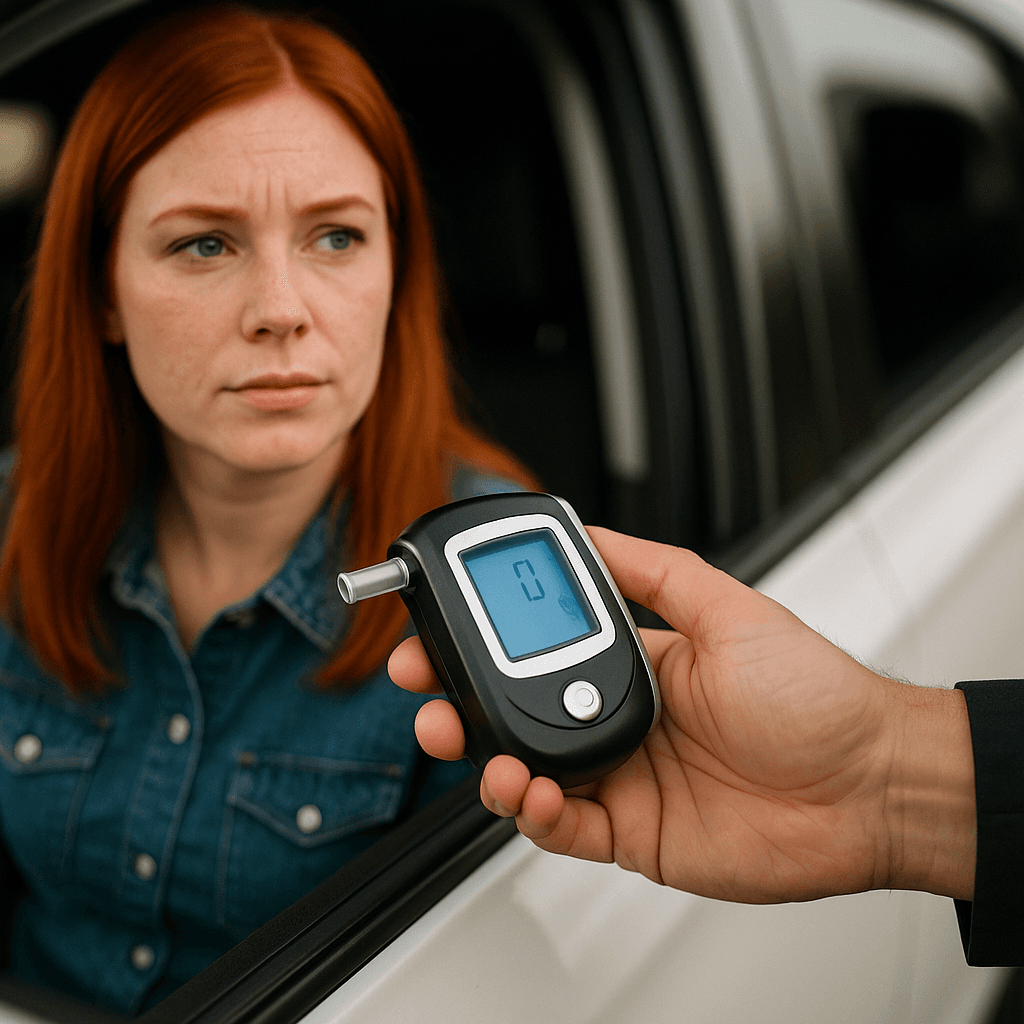
Wisconsin requires continuous proof of insurance, and the penalties for driving uninsured or allowing coverage to lapse are significant. If you're caught driving without insurance, you'll face a fine of $500 plus a $150 driver's license reinstatement fee, and your vehicle registration will be suspended. You'll also be required to carry SR-22 certification for three years, which adds $15-25 per month to your premium and flags you as a high-risk driver.
A coverage lapse — even if you're not caught driving — also affects your future insurance rates. Most carriers in Wisconsin apply a surcharge of 20-40% for drivers who have a lapse in coverage of 30 days or more within the past three years. For a new driver already paying elevated rates due to age and inexperience, that surcharge can push your premium into unaffordable territory.
The compounding effect matters more for young drivers than for older ones. If you're 22 and you allow a 60-day lapse, you'll carry that surcharge until you're 25 — right through the years when your base rate would otherwise be dropping. A lapse that costs you an extra $40 per month for three years totals $1,440 in additional premium, plus the reinstatement fees if you're caught driving uninsured.
If you need to drop coverage temporarily because you're not driving — for example, if you're studying abroad, living in a city without a car, or your vehicle is in storage — most carriers offer non-owner policies or storage coverage that maintains your continuous coverage history at a fraction of the cost of full coverage. It's almost always worth maintaining some form of active policy rather than allowing a complete lapse.