Texas law requires liability coverage at specific minimum limits before you can legally drive. Here's exactly what you're required to carry, what it costs at your age, and what happens if you drive without it.
Texas Mandatory Liability Minimums: The 30/60/25 Formula
Texas law requires every driver to carry liability insurance at minimum limits of 30/60/25. That translates to $30,000 per person for bodily injury, $60,000 per accident for bodily injury, and $25,000 per accident for property damage. This is what you're legally required to carry before you can register a vehicle, renew your registration, or drive on Texas roads.
Liability coverage pays for damage you cause to other people and their property — it does not cover your own injuries or your own vehicle. If you hit another car and injure the driver, your liability coverage pays their medical bills up to your policy limit. If their medical bills exceed $30,000, you're personally responsible for the difference. That's the part most new drivers miss when they choose minimum coverage.
For drivers under 25 in Texas, minimum liability coverage typically costs between $150 and $250 per month. That's roughly double what a 30-year-old pays for the same coverage, driven entirely by statistical accident rates for young drivers. The state minimum is the legal floor — not necessarily adequate protection for your actual financial risk.
What the State Minimum Does Not Cover
The 30/60/25 minimum only activates when you cause an accident and damage someone else. It does nothing for you if another driver hits you and they're uninsured, underinsured, or they flee the scene. In Texas, approximately 14% of drivers are uninsured despite the state's verification system — meaning roughly one in seven drivers on the road has no coverage to pay for damage they cause.
If you're hit by an uninsured driver and you only carry the state minimum liability, you'll pay out of pocket for your own medical bills, your own car repairs, and your own lost wages. Uninsured motorist coverage fills this gap — it's not required by Texas law, but it's the coverage that protects you when the other driver can't or won't pay. For new drivers, this matters more than it does for older drivers because you're statistically more likely to be in an accident and less likely to have the financial cushion to absorb a $5,000 medical bill or totaled car.
The state minimum also doesn't cover your own vehicle. If you cause an accident and total your car, liability coverage pays to fix the other driver's car — yours stays damaged. That's where collision coverage comes in, and it's typically required if you finance or lease your vehicle.
Compare car insurance for first-time drivers
Rates are high for new drivers — but the right carrier and discounts can make a real difference.
Get Your Free Quote✓ New Driver Specialists✓ No Obligation✓ Licensed Carriers✓ All 50 States
How Texas Verifies Insurance — and What Happens If You Drive Without It
Texas uses an electronic insurance verification system called TexasSure that matches vehicle registrations against active insurance policies. When you register a vehicle or renew your registration, the Texas Department of Motor Vehicles checks TexasSure to confirm you have active coverage. If the system shows a lapse, your registration can be denied or suspended.
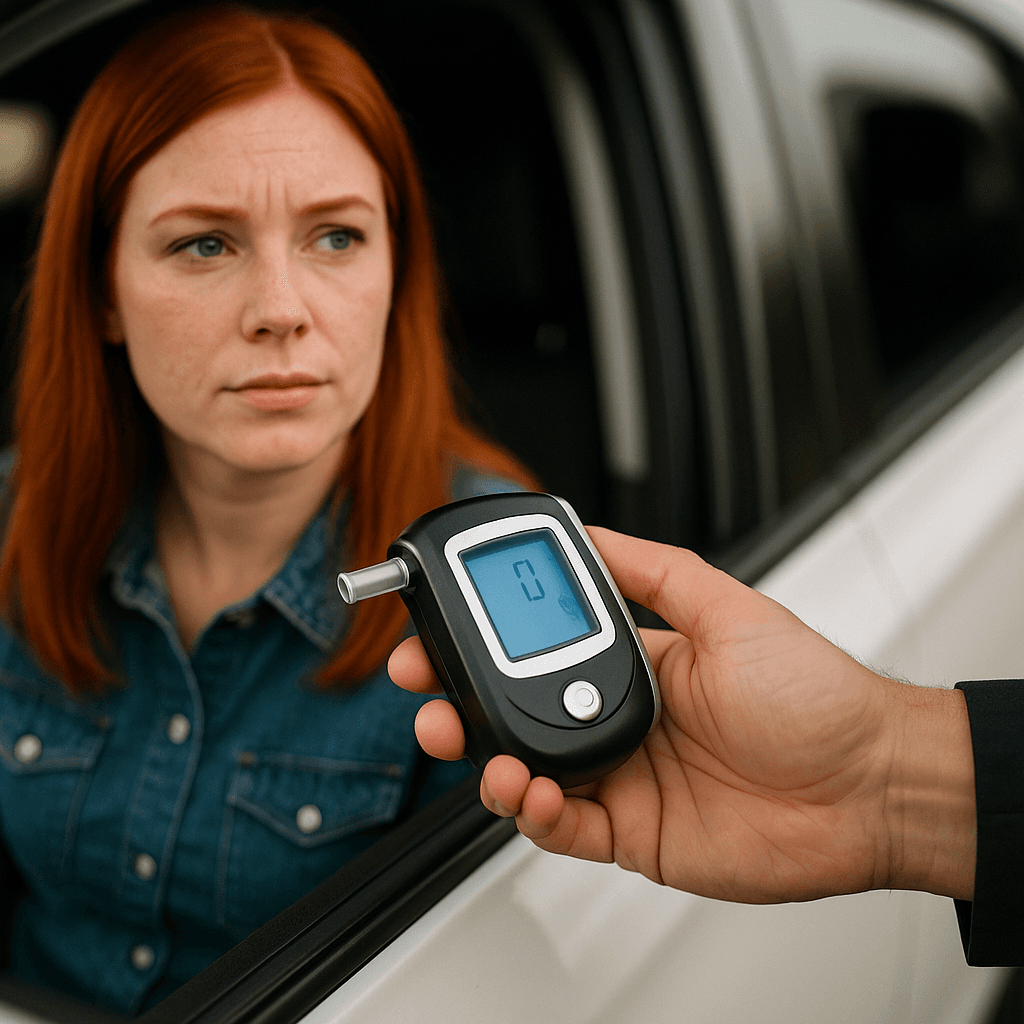
Driving without insurance in Texas is a Class C misdemeanor. First offense penalties include a fine between $175 and $350, and your vehicle can be impounded. If you're involved in an accident while uninsured, the state suspends your driver's license and vehicle registration until you pay a reinstatement fee, provide proof of insurance for the next two years, and settle any claims from the accident. For a new driver, this creates a compounding problem: the suspension appears on your driving record, which increases your insurance rates when you do get coverage, and the coverage gap itself makes you a higher-risk applicant.
The suspension isn't theoretical — Texas processed over 1.4 million driver's license suspensions for insurance-related violations in recent years. For drivers under 25, a suspended license in your first few years of driving can add 30% to 50% to your rates for the next three years after reinstatement. insurance for drivers with points
When You Need More Than the Minimum
The 30/60/25 minimum is adequate only if you have minimal assets, drive an older car with no loan, and can afford to lose the vehicle entirely in an accident. For most new drivers — especially those financing a car, living in urban areas with high accident rates, or who have any savings or assets to protect — the state minimum leaves significant gaps.
If you finance or lease your vehicle, your lender will require collision and comprehensive coverage as a condition of the loan. Collision pays to repair or replace your car after an accident regardless of fault. Comprehensive covers non-collision damage — theft, hail, vandalism, hitting a deer. These coverages require a deductible, which is the amount you pay out of pocket before insurance kicks in. A $500 deductible means you pay the first $500 of repairs and your insurance pays the rest.
Higher liability limits — such as 100/300/100 — cost more per month but provide meaningful protection if you cause a serious accident. The difference between minimum liability and 100/300/100 coverage for a 20-year-old in Texas is typically $40 to $80 per month. That incremental cost protects you from a lawsuit that could garnish your wages or attach future assets if your minimum coverage runs out in a serious multi-vehicle accident.
Additional Coverage Worth Understanding as a New Driver
Beyond the state-required liability minimum, several coverage types address specific risks that disproportionately affect young drivers. Uninsured motorist coverage pays for your injuries and vehicle damage when the at-fault driver has no insurance. In Texas, this coverage is offered at the same limits as your liability coverage — if you carry 30/60/25 liability, you can add 30/60/25 uninsured motorist coverage. For drivers under 25, this typically adds $20 to $50 per month and fills the most common coverage gap in minimum-liability-only policies.
Personal injury protection (PIP) is not required in Texas but covers your medical expenses and lost wages after an accident regardless of fault. This matters for new drivers who may not have health insurance through an employer or who have high-deductible health plans. PIP typically covers $2,500 to $10,000 in medical expenses with no deductible, meaning it pays immediately while health insurance processes claims.
Roadside assistance and rental reimbursement are optional add-ons that cost $5 to $15 per month combined. Roadside covers towing, flat tires, lockouts, and dead batteries. Rental reimbursement pays for a rental car while yours is being repaired after a covered claim. For a new driver with one vehicle and limited savings, these coverages prevent a minor breakdown from becoming a financial crisis that causes you to miss work or school.
Proof of Insurance Requirements in Texas
Texas requires you to carry proof of insurance in your vehicle at all times. Acceptable proof includes a paper insurance card from your carrier, an electronic copy on your phone, or verification through the TexasSure system. If you're stopped by law enforcement and cannot provide proof, you'll receive a citation even if you have active coverage — you'll need to provide proof to the court later to dismiss the ticket, but the citation itself goes on your record.
When you get a new policy or renew, your insurance carrier electronically reports your coverage to TexasSure within 30 days. If you switch carriers, there's a brief window where the old policy has been canceled but the new policy hasn't yet appeared in the system. Keep your new policy documents in the vehicle during this transition period to avoid a citation during a traffic stop.
For new drivers switching from a parent's policy to an independent policy, timing this transition matters. If you're removed from your parent's policy on the 15th of the month but your new policy doesn't start until the 20th, you have a five-day lapse. Even a short lapse triggers the TexasSure verification system and can result in registration suspension. Coordinate the effective dates so your new policy starts the same day you're removed from the old one.
How Your Age Affects What You Pay for Required Coverage in Texas
Texas does not prohibit insurers from using age as a rating factor, and carriers price drivers under 25 significantly higher than older drivers for identical coverage. A 19-year-old male in Houston paying for 30/60/25 liability typically pays $180 to $280 per month. A 30-year-old male with the same coverage, same car, and same driving record pays $80 to $120 per month. The difference is entirely statistical — drivers under 25 are involved in accidents at roughly twice the rate of drivers over 30.
This age-based pricing compounds with other factors new drivers often carry: thin credit history, lack of prior insurance history, and in some cases, a short driving record that doesn't yet show three years of clean driving. The three-year milestone matters because most carriers move drivers into a lower-risk pricing tier once they've had a license for three years with no tickets or claims. That tier change can drop your premium by 15% to 25% even if you stay with the same carrier.
The other milestone that affects pricing is your 25th birthday. The inexperienced operator surcharge that most carriers apply to drivers under 25 drops off entirely at 25, even if you've only had a license for a few years. This is one of the few times in insurance where a birthday directly reduces your rate. The best time to shop for new coverage is 30 to 60 days before you turn 25 — new carriers will quote your post-25 rate, while your current carrier may not apply the discount until your policy renews after your birthday.