Illinois requires liability coverage at specific minimums that sound higher than most states but still leave you exposed if you cause a serious accident. Here's what the state legally requires, what that actually covers, and where those minimums fall short for drivers building their first independent policy.
What Illinois Law Actually Requires You to Carry
Illinois mandates liability insurance in three parts: 25/50/20 coverage. That breaks down to $25,000 per person for bodily injury, $50,000 per accident for all injuries combined, and $20,000 for property damage you cause. This is the legal minimum to register a vehicle and drive in Illinois.
The per-person and per-accident structure matters more than most first-time drivers realize. If you cause an accident that injures three people, the most your policy pays for any single person's injuries is $25,000 — even if their medical bills exceed that. The $50,000 per-accident cap is the total your policy will pay for everyone injured in that crash combined. Once you hit either limit, you're personally responsible for the rest.
Illinois also requires uninsured motorist coverage at the same 25/50/20 minimums unless you reject it in writing. This protects you when someone without insurance hits you. Approximately 13% of Illinois drivers are uninsured according to the Insurance Information Institute, meaning roughly one in eight cars on the road has no coverage to pay for damage they cause. For a driver under 25 with limited savings, that makes uninsured motorist coverage one of the most important parts of your policy — it's the only thing standing between you and paying out-of-pocket for an accident you didn't cause.
Where State Minimums Leave You Exposed
The $20,000 property damage minimum hasn't increased since 1990. In 1990, the average new car cost around $16,000. Today, it's over $48,000. If you're at fault in an accident involving a newer vehicle, $20,000 might not even cover the car you hit — before accounting for any additional property like guardrails, utility poles, or other vehicles.
Medical costs create even larger gaps. The average emergency room visit for a serious injury costs $15,000 to $30,000 before any surgery or follow-up care. A broken bone requiring surgery can easily exceed $50,000. If you cause an accident that seriously injures two people, your $50,000 per-accident limit could be exhausted by initial hospital bills alone — leaving you personally liable for everything beyond that, including lost wages, ongoing treatment, and potential pain and suffering claims.
For drivers under 25, this matters more than for older drivers with established assets. You likely don't own a home or have significant savings to protect, which sounds like it reduces your risk. But the opposite is true: wage garnishment can follow you for years. If a court judgment against you exceeds your policy limits, creditors can garnish up to 15% of your gross wages in Illinois until the debt is paid. That's not a theoretical risk — it's the standard collection mechanism for unpaid accident judgments.
Compare car insurance for first-time drivers
Rates are high for new drivers — but the right carrier and discounts can make a real difference.
Get Your Free Quote✓ New Driver Specialists✓ No Obligation✓ Licensed Carriers✓ All 50 States
Coverage Levels That Actually Make Sense for Young Drivers
Most insurance professionals recommend 100/300/100 coverage for drivers under 25: $100,000 per person, $300,000 per accident, $100,000 property damage. This costs approximately $15 to $40 more per month than state minimums for a typical 22-year-old driver in Illinois, but it covers the realistic cost of a serious accident without exposing you to personal liability.
The cost difference is smaller than most first-time drivers expect because the majority of your premium at this age comes from the inexperienced operator surcharge and age-based risk factors — not the coverage limits themselves. Doubling your liability coverage from 25/50/20 to 50/100/50 typically increases your premium by 10-15%. Going from minimum coverage to 100/300/100 usually adds 20-30% to the base liability cost, which translates to a smaller dollar amount than the percentage suggests.
If you're financing or leasing a vehicle, your lender will require collision and comprehensive coverage regardless of what the state requires. Collision pays for damage to your car in an accident you cause or a single-vehicle crash. Comprehensive covers theft, vandalism, weather damage, and animal strikes. Your lender sets these requirements because they own the car until you finish paying for it — they're protecting their asset, not yours. But this also protects you from being upside-down on a loan if your car is totaled and you still owe more than it's worth.
Uninsured Motorist Coverage: The Piece Most Young Drivers Skip
Illinois law requires your insurer to offer uninsured motorist (UM) coverage at the same limits as your liability policy. You can reject it, but you have to do so in writing. Most first-time drivers don't realize this coverage protects them when they're hit by someone with no insurance or someone who flees the scene.
Uninsured motorist coverage pays your medical bills, lost wages, and car damage when the at-fault driver has no coverage to pay you. It also covers underinsured motorist situations — when the other driver has insurance but their limits are too low to cover your damages. If someone with minimum 25/50/20 coverage causes an accident that totals your car and sends you to the hospital, their $25,000 per-person limit might not cover your bills. Your UM coverage fills that gap.
The cost is typically 5-10% of your total premium. For a driver paying $200/month, that's $10 to $20 added to your monthly bill. Given that one in eight Illinois drivers is uninsured, and many more carry only minimum coverage, this is one of the few coverage additions that consistently pays for itself in claims data. For young drivers who are statistically more likely to be in accidents and less likely to have savings to cover uncovered costs, UM coverage addresses a real gap.
How Illinois Verifies You're Actually Insured
Illinois uses an electronic insurance verification system. When you register your vehicle, the Secretary of State's office checks directly with your insurance company to confirm active coverage. If your policy lapses or cancels, your insurer reports it to the state, and you'll receive a notice requiring proof of insurance or surrender of your license plates.
A lapse in coverage triggers immediate consequences: your registration can be suspended, you'll face a $100 reinstatement fee, and you may be required to file an SR-22 certificate for three years. An SR-22 isn't insurance — it's a form your insurer files with the state proving you carry at least minimum coverage. It typically adds $20 to $50 per month to your premium because it categorizes you as high-risk.
For first-time drivers, a coverage lapse has a compounding cost most don't anticipate. When you apply for a new policy after a lapse, insurers see a gap in continuous coverage and price you as higher risk. A 30-day lapse can increase your quoted rate by 20-40% compared to maintaining continuous coverage. Over a year, that difference often exceeds $500 — far more than the cost of maintaining the policy you let lapse. If you're facing affordability issues, reducing coverage limits or increasing your deductible costs less than letting the policy cancel.
What Happens If You're Caught Driving Uninsured
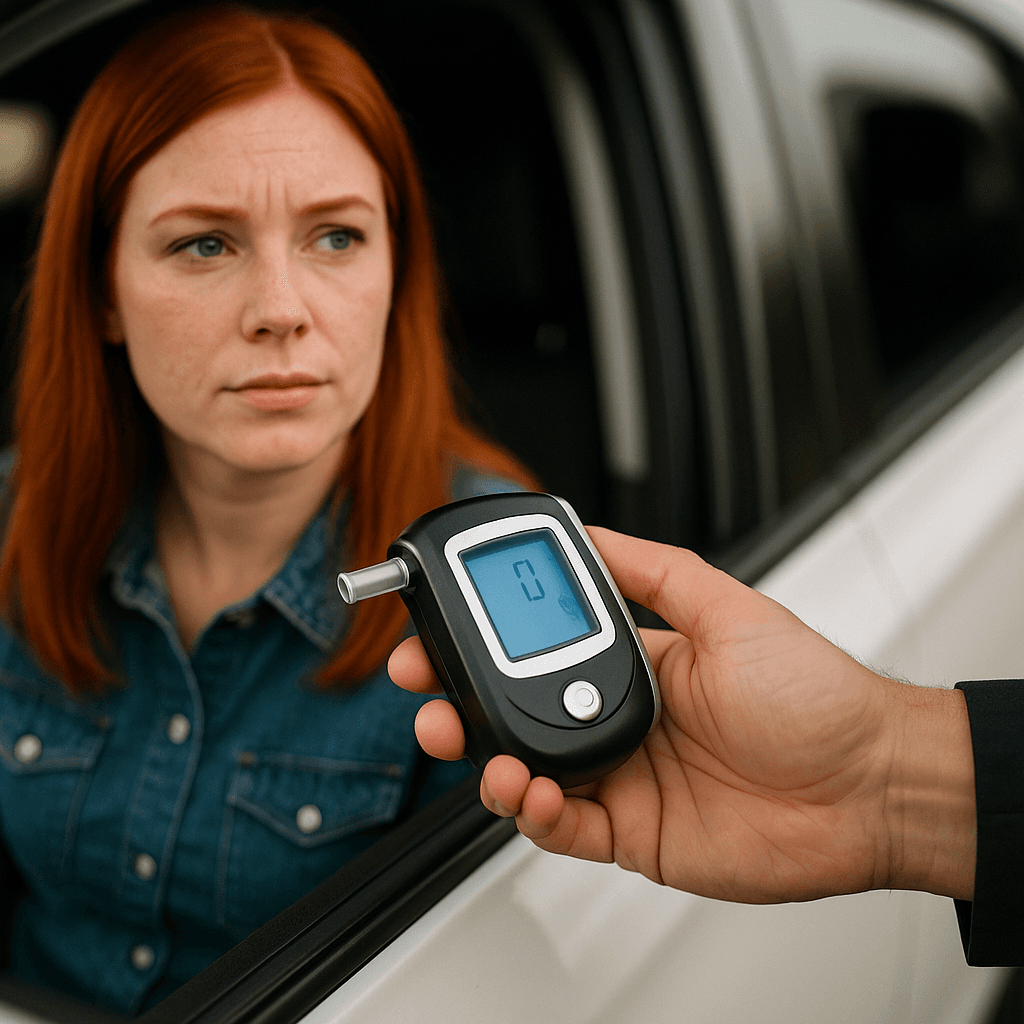
Illinois treats driving without insurance as a Class A misdemeanor. First offense penalties include a minimum $500 fine, potential vehicle impoundment, and driver's license suspension. You'll also face a $100 reinstatement fee and SR-22 filing requirement for three years once you obtain coverage again.
The larger cost is what happens to your insurance rates after a citation for driving uninsured. Carriers view this as one of the highest-risk violations because it suggests financial irresponsibility and disregard for legal requirements. Expect your quoted rates to increase by 50-100% compared to what you would have paid with a clean record. That surcharge typically remains on your record for three years.
For a 23-year-old who was paying $180/month, a driving uninsured citation could push that to $270-$360/month for the next three years. Over that period, the additional cost exceeds $3,200 — before accounting for the original fine, impound fees, and reinstatement costs. Maintaining even minimum coverage costs substantially less than the compounded financial consequences of driving without it.
When to Buy More Than the State Requires
If you have any assets worth protecting — a car you own outright, savings over $5,000, or wages that could be garnished — carry liability limits higher than 25/50/20. The gap between minimum coverage and financially prudent coverage is small in premium cost but enormous in risk exposure. A single serious accident can create debt that follows you through your twenties and into your thirties.
If you're driving a car worth less than $3,000 and you own it outright, collision coverage may not be worth the cost. Collision typically comes with a $500 to $1,000 deductible. If your car is worth $2,500 and you file a total-loss claim, you'll receive $1,500 to $2,000 after the deductible. For an older vehicle, the annual cost of collision coverage often approaches the net payout you'd receive. In that case, liability and comprehensive-only coverage makes more financial sense.
Comprehensive coverage, by contrast, remains worth carrying on older vehicles. It costs substantially less than collision — typically $10 to $30 per month — and covers risks that have nothing to do with your driving: theft, hail damage, hitting a deer, vandalism. These are events that can total an older car just as easily as a new one, and the payout isn't reduced by the age of the vehicle if the damage exceeds its value.